
60x120cm vs. 100x100cm Tile Formats: Which One Fits Your Space?
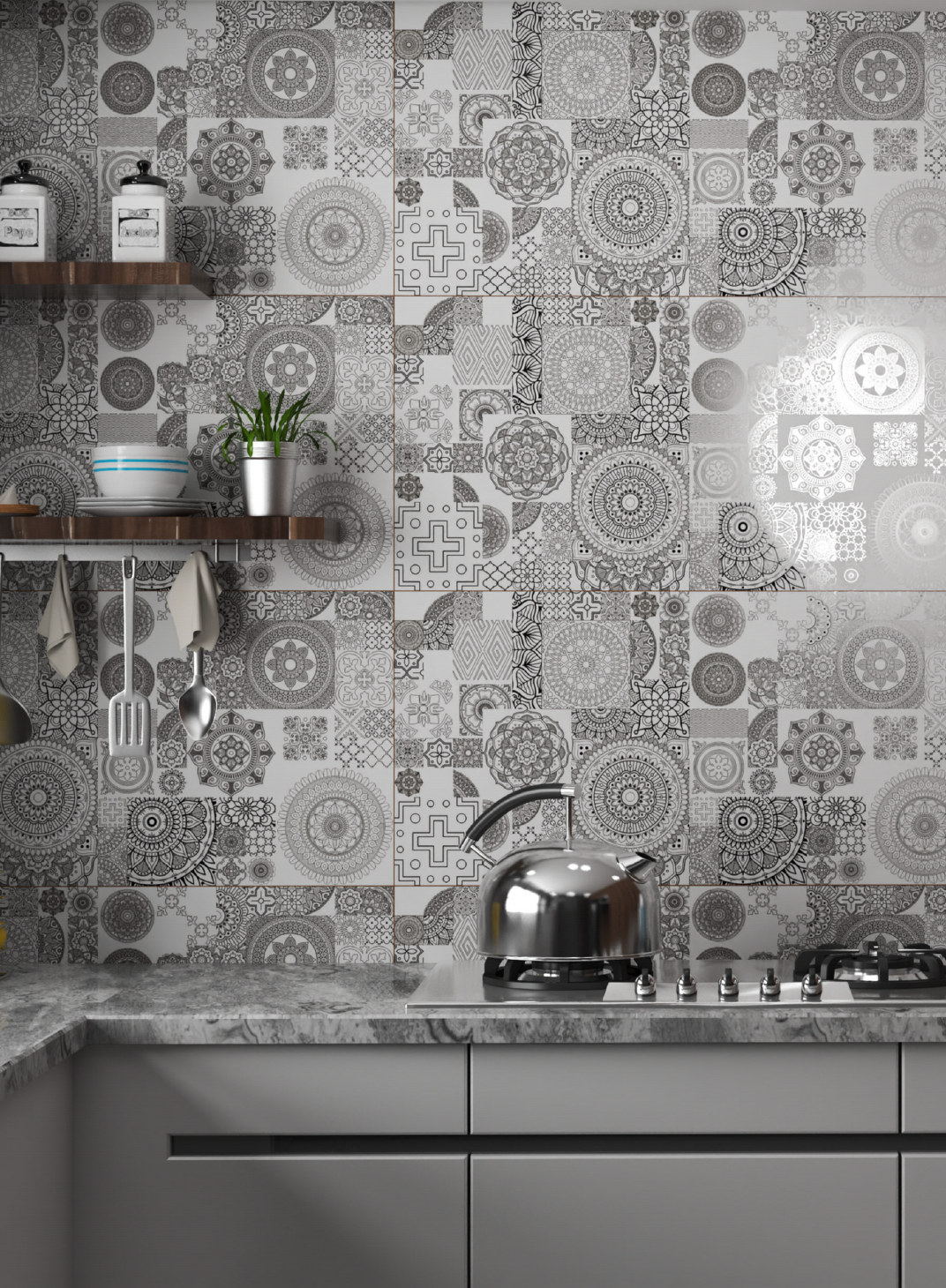
Large-format porcelain tile has become the standard for modern homes, and for good reason: fewer grout lines, a cleaner look, and a more seamless finish than smaller traditional tiles. Within our collection, two formats come up most often: 60x120cm and 100x100cm. They can look similar in photos, but they behave differently once installed. Here's how to choose.
The basic difference
60x120cm is a rectangular format, roughly double the length of its width. It's the more versatile of the two, used across our full range of finishes, from marble-look porcelain to stone-textured outdoor tiles.
100x100cm is a large square format. It's less common in our catalog, used for a smaller selection of finishes like Onyx Grey, Onyx Ice, and Niro Bianco/Grey, generally in glossy or matte options suited to open, contemporary interiors.
Where 60x120cm works best
Because it's rectangular, 60x120cm gives you more flexibility in how it's laid:
Running bond or brick-style layouts for a dynamic, less uniform look
Vertical installation on walls, which can make a room feel taller
Both floors and walls, since it's available across nearly every finish in our collection, indoor and outdoor
It's also generally easier to handle during installation than a full square meter of tile, which matters in tighter spaces, stairwells, or rooms with more cuts and corners.
Where 100x100cm works best
The square format creates a more monolithic, seamless look, especially in large open spaces like living rooms or commercial areas. With fewer visual breaks in the pattern, it can make a room feel more expansive and uninterrupted.
It tends to work best in:
Large, open floor plans where you want a continuous, uninterrupted surface
Commercial or minimalist interiors, where the clean grid pattern reinforces a modern aesthetic
Rooms with fewer obstacles, since large square tiles require more precise cuts around corners, fixtures, and doorways
Practical considerations
Grout lines: Both formats significantly reduce grout lines compared to standard 30x30 or 45x45 tile, but 100x100cm takes this further, since one tile covers a full square meter.
Handling and installation: Larger format tile, especially 100x100cm, is heavier and requires more precise leveling. This isn't something to DIY. Make sure your installer has experience with large-format porcelain specifically.
Waste and cuts: In smaller or irregularly shaped rooms, a large square format can mean more waste from cuts. A rectangular 60x120cm format is often more forgiving in tighter or oddly-shaped spaces.
Style range: 60x120cm is available across far more of our finishes, both indoor and outdoor. If you're set on a specific look, like a stone-textured outdoor tile or a bold marble pattern, it's worth checking availability by format first.
Which one should you choose?
Choose 60x120cm if: you want layout flexibility (including vertical wall applications), you're tiling a space with more corners or cuts, or your preferred finish isn't available in 100x100cm.
Choose 100x100cm if: you have a large, open space and want the most seamless, uninterrupted look possible, and your chosen finish is available in that format.
Both formats deliver the large-format look that's defined modern tile design over the past few years. The right choice comes down to your room's layout and the specific finish you're drawn to.