
How to Choose the Right Tile for Your Pool Deck
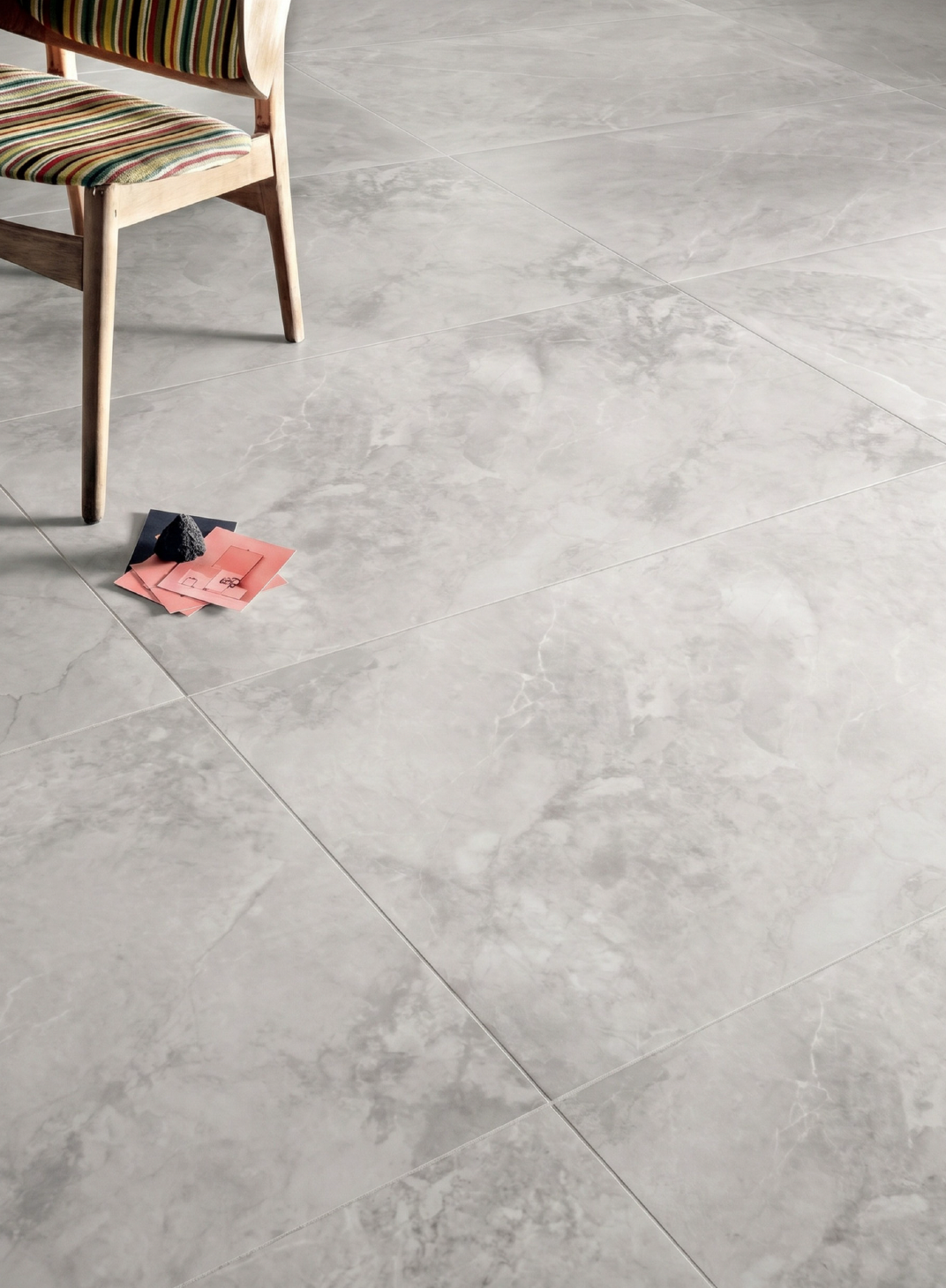
A pool deck takes more abuse than almost any other surface in your home. It's constantly wet, exposed to direct sun, and walked on barefoot. Choosing the wrong tile doesn't just look bad over time, it can actually be dangerous. Here's what to look for, and what to avoid.
Slip resistance is non-negotiable
This is the single most important factor for a pool deck, and it's often overlooked in favor of appearance. A glossy, polished tile might look beautiful in a showroom, but wet glossy surfaces are genuinely hazardous around a pool.
Look for tiles specifically rated as slip-resistant or matte/textured finishes designed for outdoor and wet areas. In our collection, tiles like Fissured Stone, Glassiar Stone, Niro Bianco, and Niro Grey are built with this in mind, with a textured, matte surface designed to stay safer underfoot even when wet.
Heat matters more than most people expect
Miami sun on a dark, glossy pool deck can make the surface genuinely uncomfortable, sometimes painful, to walk on barefoot by midday. Two things affect how hot a tile gets:
Color: lighter tiles reflect more heat and stay cooler than dark ones
Finish: matte and textured surfaces tend to feel cooler underfoot than high-gloss finishes, which concentrate reflected heat
If your deck gets full sun for most of the day, leaning toward a lighter, matte tile is generally the more comfortable choice, especially for families with kids who'll be running around barefoot.
Water absorption and durability
Porcelain tile is fired at extremely high temperatures, which makes it dense and largely non-porous. That matters a lot around a pool, where the surface is constantly exposed to water, chlorine, and sun. A low-absorption tile resists staining, won't develop mold or mildew as easily, and holds up to years of exposure without needing to be sealed or specially treated.
This is one of the main reasons porcelain has become the standard choice for pool decks over options like natural stone, which is more porous and needs regular sealing to perform the same way outdoors.
Texture and cleaning
A textured or fissured surface (like a stone-look finish) does more than add grip, it also hides water spots, debris, and footprints better than a smooth, glossy tile. That's a practical advantage for a surface that's rarely dry. The tradeoff is that heavily textured tiles can take a bit more effort to clean thoroughly, since dirt can settle into the texture. A moderate texture, rather than a very deep, rough one, usually strikes the best balance between grip and easy maintenance.
Tile recommendations for pool decks
Based on slip resistance and outdoor suitability, a few options worth considering:
Fissured Stone — a fissured, natural-stone-look finish with strong texture, well suited to outdoor spaces
Glassiar Stone — a similar rugged, stone-inspired texture built for exterior use
Niro Bianco / Niro Grey — a more understated matte finish, good for a cleaner, contemporary pool deck look
All of these are large-format 60x120cm tiles, which means fewer grout lines around the pool, a cleaner look, and less grout to maintain over time.
A few things to avoid
High-gloss, polished finishes near the pool edge or anywhere that gets consistently wet
Very dark colors in full-sun areas if heat underfoot is a concern
Porous, unsealed natural stone without a clear maintenance plan
Getting it right the first time
Pool deck tile is one of those decisions that's expensive to get wrong, since replacing it later means redoing the whole surface. Taking the time to prioritize slip resistance and heat performance over looks alone will save you problems down the road.